


Multi-modal freight is revolutionizing the logistics industry by combining different modes of transportation—air, sea, rail, and road—to deliver cargo efficiently and cost-effectively. This integrated approach allows businesses to optimize their supply chains, ensuring goods are transported seamlessly from origin to destination.
One of the primary benefits of multi-modal freight is flexibility. By leveraging multiple transport modes, businesses can adapt to changing conditions, such as port congestion, weather disruptions, or geopolitical challenges. For example, goods can be shipped by sea for the long haul and then transferred to trucks for last-mile delivery. This adaptability ensures uninterrupted operations even in unpredictable scenarios.
Cost efficiency is another significant advantage. Multi-modal freight allows businesses to balance speed and cost by strategically choosing transport modes. For instance, while air freight is fast but expensive, combining sea and rail transport can provide a more economical alternative for less time-sensitive shipments.

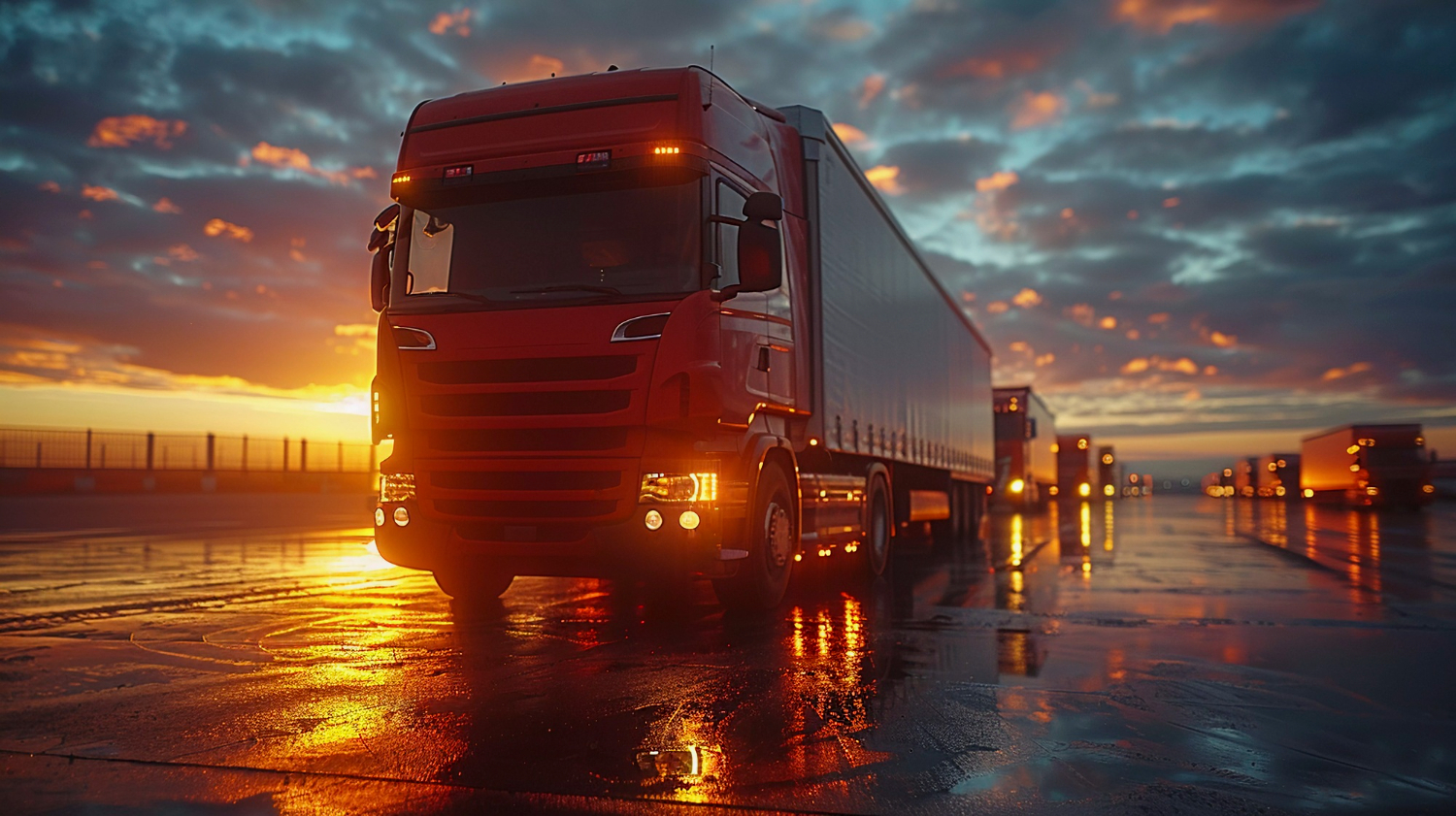
Technology plays a crucial role in multi-modal logistics. Advanced tracking systems enable real-time monitoring of cargo across all transportation modes. This transparency not only enhances customer trust but also allows businesses to identify bottlenecks and optimize processes. Additionally, data analytics helps logistics providers predict demand patterns and streamline operations for better efficiency.
Sustainability is becoming an increasingly important focus in multi-modal freight. By incorporating rail and sea transport—both of which have lower carbon footprints compared to air and road—logistics providers can reduce environmental impact. Many companies are also investing in greener technologies, such as electric trucks and renewable energy-powered facilities, to further enhance sustainability.
The future of logistics lies in multi-modal transport. By offering flexibility, cost savings, and environmental benefits, this approach is helping businesses navigate the complexities of global supply chains. Whether transporting raw materials or finished goods, multi-modal freight ensures timely and reliable delivery across the globe.
Conclusion:
Multi-modal freight is a game-changer for modern logistics. Businesses that embrace this integrated approach can achieve greater efficiency, reduce costs, and meet their sustainability goals, ensuring long-term success in an increasingly interconnected world.